How technology undermines innovation

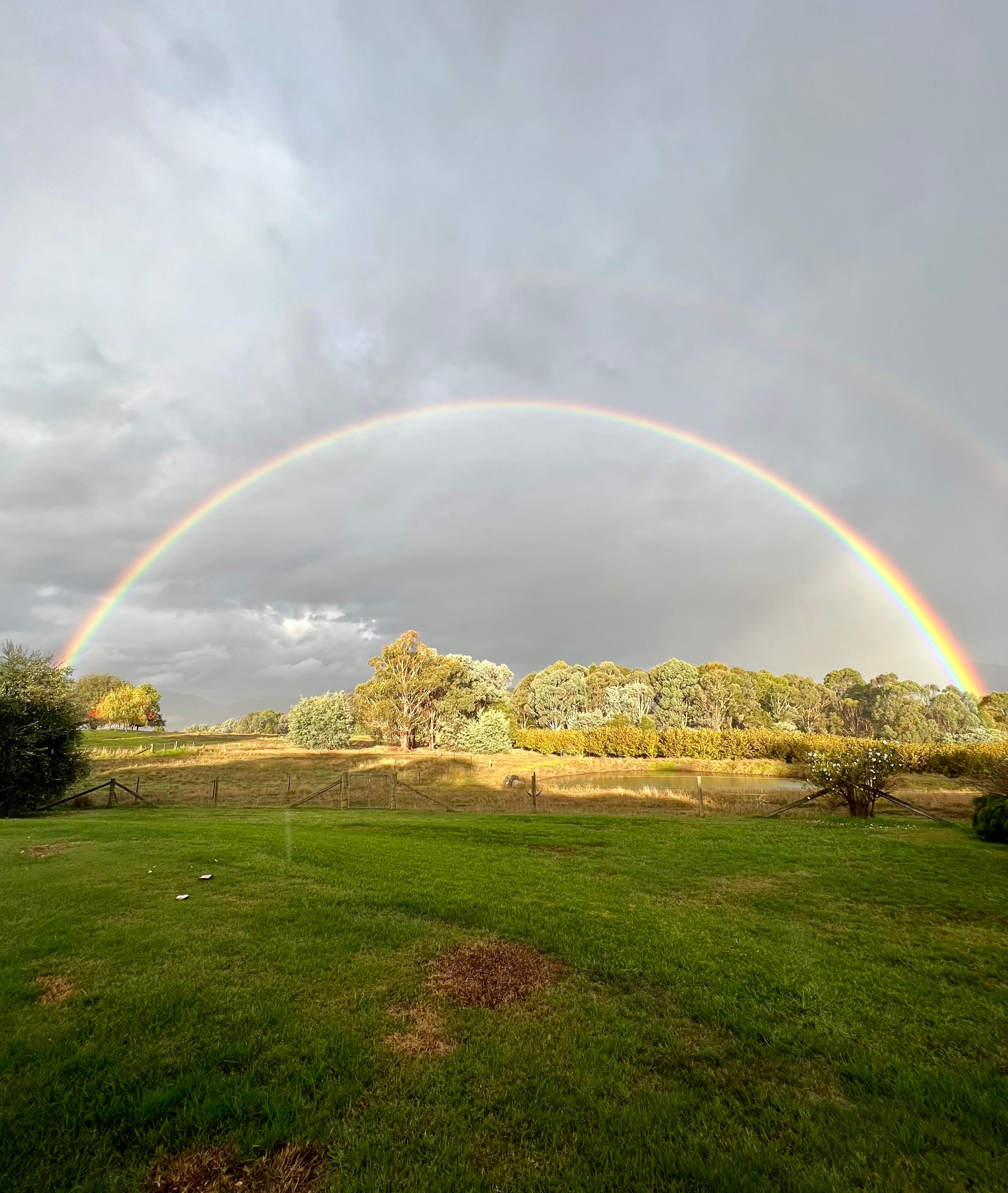
When you work the land and rub up against its grit and grime, its rocks and roots, the land ‘sandpapers’ you. That friction, that environmental abrasion, is where innovation begins.
Sitting on a tractor, slashing the spring grasses, I am assailed by dust, pollen, and the screech of cicadas. The whirr and grind of the blades stirs the memory of a world untouched by algorithms, where nature confronts us with reality in a way that screens do not. As the tractor leaves tracks in the paddock I wonder, almost aloud:
Does technology that makes life easier by eliminating friction make us less innovative?
Google can help you find your way down country roads and laneways to my farm, but it does not tell you where you stand when you arrive. That requires attention. Being fully present.
When you wander the paddocks, you need to pay attention to the environment: the alpacas standing alert, ready to issue a warning cry if they sense danger, the sheep momentarily lifting their heads from grazing.
I will have ‘snake-eyes’ on, scanning the dry grass for danger, listening for the rustle of a reptile that could strike in an instant. Once, warning cries from birds and a rabbit breaking cover put me on high alert. I sensed before I saw an almost imperceptible, arrow-straight line in the tangled grass: a snake, motionless, poised to strike. Friction flared into fright as I fled and allowed my fear to settle.
Screens Flatten the World
When you have spent too long in front of a screen you will miss the faint rustle and the hidden shape that demands your attention. The world is full of such signals, if you let go of your device and step outside to hear them.
If you feel your creativity is drained, or your emotions are flat, the culprit could be your screen, robbing you of environmental awareness. You are missing the discomfort outside your comfort zone where you feel fully alive. You don’t need a sabbatical. Sometimes just stepping outside where the world pushes back enough to waken your senses is all it takes.
The belief that algorithms are hindering, rather than helping, creativity has bothered me for some time.
During the pandemic, as engagement shifted from in-person to online, conversations often became more performative and less generative. We turned up and turned on for zoom, performing for our audience while watching ourselves perform in the corner of the screen.
“Does my head look big in this?” we wondered.
What is seen on screen is a curated image: not a person but a performer.
Technology has flattened our three-dimensional world to a two-dimensional map. In doing so, it removes the spark of creativity that is generated when people rub up against one another and against the environment. AI has accelerated the flattening: it completes our sentences, predicts our preferences and simulates creativity. AI assistants pop up faster than we can form a question.
Convenience Dulls Curiosity
I notice a similar tension whenever I travel, such as when I use the London Underground app to find my way around. It removes the friction of confusion and doubt, the challenge of looking at banks of station screens to find the right platform, and lowers the risk of getting lost. However, the app also removes environmental abrasion: stopping strangers to ask for directions, stumbling down a dead end or street that turns away. It eliminates the challenge of getting lost and finding your way again.
While digital maps make life easier—by making search effortless—they deny the delight of self-discovery. And it is not just the navigation apps.
The pattern repeats itself: friction fosters alertness, while convenience dulls it. Whether it’s an app that prevents you from getting lost, or an AI that prevents you from thinking, you lose the chance to encounter the unknown—and thus to create something truly new.
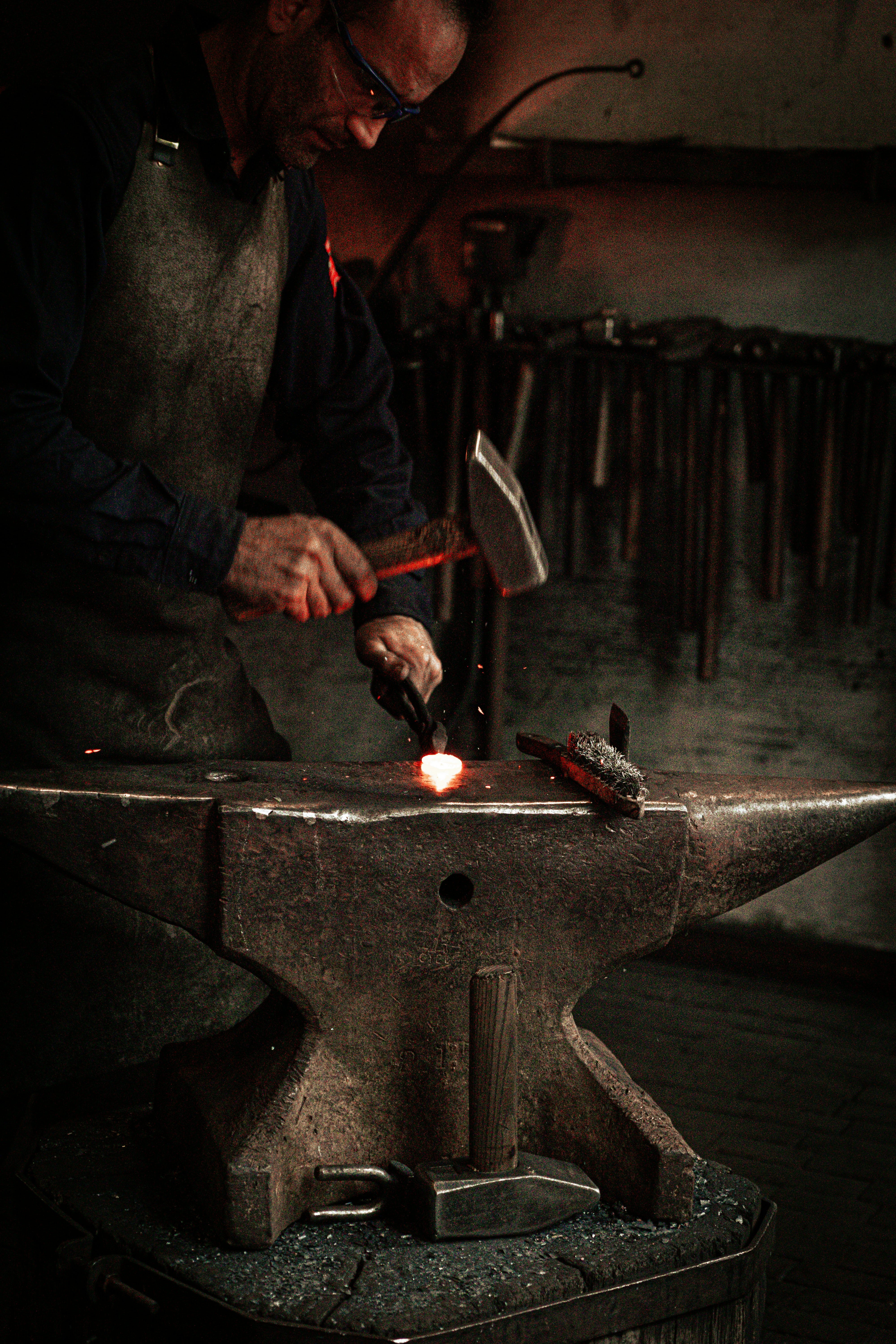
Creating Friction
You need to be intentional about creating environmental abrasion. Find places where your surroundings stimulate your imagination, and, in turn, foster innovation. Try getting out of the office and away from devices: going to the theatre or art gallery, or taking a walk in the park.
The musician John Mayer, for example, takes a holiday from technology in order to foster creativity, claiming “great ideas have to gather. They have to pass the test of withstanding thirteen different moods, four different months and sixty different edits.” When was the last time you took ‘a holiday from technology’—or even just a day off?
When Brian Collins, the well-known designer and educator, accepts a new design brief, he insists that everyone on the assignment begins by reading three books that have nothing to do with the project. What books could you read to open you mind to entirely new ideas?
Peter Drucker says that innovation is not simply a different approach, plotting a different path to your destination, but rather a different way of thinking that creates the possibility of an entirely new destination. This is what happens when you step out into the world of friction, and rub up against the environment. This has been my life-long practice, sharing coffee and conversations across countries and cultures, with people from many walks of life.
friction feeds creativity
Innovation finds new destinations
Yet there are times when I catch myself choosing the easy option—the algorithmic route—and I can feel my imagination begin to flatten. By contrast, the moments when I trust myself, my resilience and resourcefulness, are always more rewarding.
When I am out on my motorbike, relying on old-fashioned navigation skills—the sun, time, and distance—to find my way, I sometimes get lost. And that is when discovery begins. I’m still surprised by the unease I feel when I set off, and the delight I feel when I arrive, often after a one or more missed corners and unexpected views.
In order to be innovative, you need to get out of your bubble and into a different world, with new possibilities and new relationships, that in turn generate new questions and often surprising insights. Doing so enables you to find the unasked question, the unexplored alleyway, the unexamined assumptions.
True innovators flourish when they face the friction of real problems, not when they become subservient to technology. Whether Collins, Mayer, or me, we are all creating environmental abrasion. And it can be scary as you expose yourself to snakes in the grass. But it fosters innovation when you learn how to live with them. And, getting out of your comfort zone creates the possibility of discovering what lies over the horizon.
So if you want to think differently, don’t ask AI: step outside and ask the world. Feel the weather, the resistance, the reality pressing back.
That’s where innovation lives. Not in the smooth curve of an algorithm, but in the resistance wrought by weather and wind, by wander and wonder.
I like your article.
Using tech is fine—but we must remember that anything in our head is a synthesized abstraction of the real world, sometimes better, sometimes worse, and always biased. Every assumption we hold is just a hypothesis. Innovation requires getting your hands dirty—testing, observing, and rubbing your assumptions against reality. Even when using synthesized personas, simulations, or other tools, friction with the real world sparks insight—maybe it’s your tractor, the birds, or whatever that fires up your neuronal network. Often, it’s cross-pollination that creates breakthroughs, not the ideas within your own ecosystem, but the sparks from outside.